

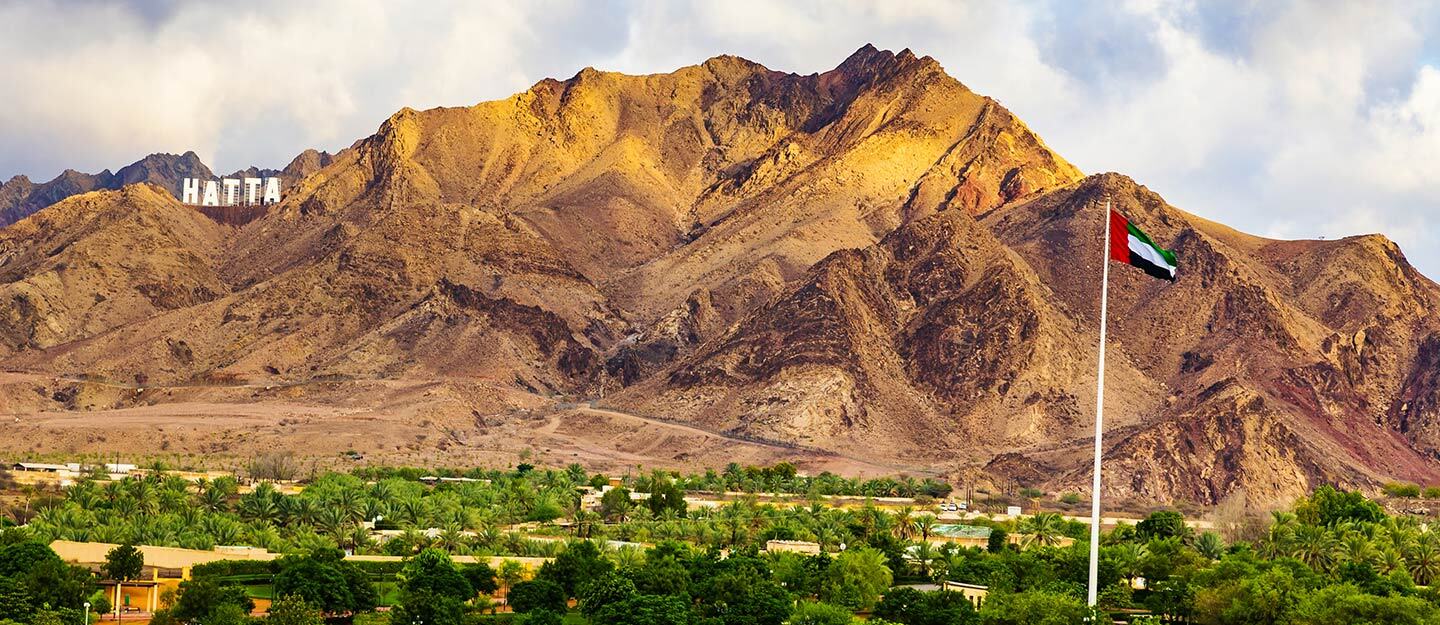
Mountains have a unique way of challenging both body and mind. From the jagged peaks of the Hajar Mountains in the UAE to the iconic summits around the world, mountain hiking and climbing demand careful preparation, proper gear, and an understanding of unpredictable weather conditions.
Whether you’re seeking a day hike in Oman or a multi-day alpine adventure in Europe or Asia, having the right equipment and knowledge can make the difference between an unforgettable experience and a risky trek. This guide provides insights into essential mountain gear, safety strategies, and tips to ensure your adventure is both thrilling and safe.
Backpacks for Alpine Adventures
Choosing the right backpack is crucial when tackling mountains. Key features to look for include:
-
Ventilated straps and back panels to keep airflow during strenuous climbs.
-
Adjustable torso lengths for a customized fit and balanced weight distribution.
-
Hydration compatibility, such as reservoirs or pockets for water bottles, to maintain proper hydration at altitude.
-
Multiple compartments for organizing essentials like snacks, maps, and emergency gear.
For shorter hikes, a 20–30L pack is ideal, while 40–60L backpacks are better for multi-day mountain treks, allowing space for extra clothing, tents, and cooking gear. Durable, water-resistant materials are a must to withstand snow, rain, and rough terrain. Discovery’s adventure backpacks are designed to combine style, durability, and functionality for mountain expeditions.
Layering Clothing: Adapt to Changing Conditions
Mountain weather is unpredictable. One moment the sun may shine brightly, and the next, you could face rain, snow, or strong winds. Layering is key:
-
Base Layers: Moisture-wicking fabrics like merino wool or synthetic blends keep sweat away from the skin, preventing chills.
-
Insulating Mid-Layers: Fleece jackets or down vests trap heat and keep you warm at higher altitudes.
-
Outer Shells: Waterproof and windproof jackets and pants protect against rain, snow, and gusty winds.
Additional tips: wear light-colored clothing in sunny conditions to reflect heat, and consider UV-protective clothing for higher altitudes where sun exposure is stronger. Layering also allows you to add or remove items based on activity level and temperature changes.
Footwear & Accessories
The right footwear can be life-changing when navigating steep and slippery terrain. Consider:
-
Sturdy hiking boots with ankle support to reduce the risk of sprains.
-
Crampons or microspikes for icy or snow-covered trails.
-
Trekking poles to maintain balance and reduce stress on knees during long descents.
-
Gaiters to prevent dirt, rocks, or snow from entering your boots.
Other accessories to consider include UV-protective sunglasses, wide-brimmed hats, gloves, and a compact first-aid kit. If you’re hiking at higher altitudes, carrying a portable oxygen monitor or altitude sickness medication can be life-saving.
Top Mountain Destinations: UAE and Beyond
UAE & Oman
-
Hajar Mountains: Rugged and scenic, offering trails suitable for beginners and seasoned hikers. Don’t miss Wadi Bih and Jebel Shams for panoramic views.
-
Jebel Hafeet: Near Al Ain, with a gradual ascent suitable for day hikes.
-
Oman’s Jebel Shams: Known as the “Grand Canyon of Arabia,” this challenging trek offers stunning views of deep gorges and steep cliffs.
Global Adventures
-
Europe: Alps, Pyrenees, and Dolomites offer classic hiking and mountaineering experiences.
-
Asia: The Himalayas provide unparalleled trekking opportunities, from moderate paths to extreme climbs.
-
North America: Rockies and Sierra Nevada mountains offer trails for both beginners and advanced hikers.
Research local weather, trail difficulty, and permit requirements before heading out. Early mornings or late afternoons are often best to avoid extreme heat or afternoon storms.
Safety & Sustainability
Mountain hiking demands respect for both personal safety and the environment:
-
Altitude Awareness: Gradual acclimatization is essential to prevent altitude sickness. Recognize symptoms like headaches, nausea, or dizziness.
-
Leave No Trace Principles: Pack out all trash, minimize campfire impact, and avoid disturbing wildlife.
-
Navigation Skills: Carry maps, GPS devices, or compass, and know how to use them.
-
Emergency Planning: Always inform someone about your route and expected return time.
Sustainable travel is not just responsible—it ensures these majestic landscapes remain pristine for future adventurers.
Final Thoughts
Mountains challenge, inspire, and reward those who dare to explore them. Whether you’re hiking the UAE’s Hajar Mountains or tackling summits across the globe, the right gear, preparation, and awareness are key to a safe and enjoyable adventure. Equip yourself with high-quality backpacks, layered clothing, sturdy footwear, and essential accessories, and every summit will become a memorable achievement.
Share:
Essential Gear for Desert Hiking in the UAE: A Practical Guide
Beach & Coastal Adventures: What to Pack for Sun, Sand, and Surf